UK Government Maintains Horserace Betting Levy at 10% Following Key Review, Sparking Industry Debate
Sam Otto · Mar 28, 2026

UK Government Maintains Horserace Betting Levy at 10% Following Key Review, Sparking Industry Debate
The Announcement That Held Steady
Minister Ian Murray stood in Parliament on March 25, 2026, delivering news that the UK government would keep the Horserace Betting Levy pegged at 10% on bookmakers' profits from British horseracing bets—but only for operators turning over more than GBP 500,000 annually; this decision came straight out of a review spearheaded by Baroness Twycross, emphasizing stability even as recent gambling tax hikes reshaped the landscape.
What's interesting here is how the levy, a mechanism tied directly to the fortunes of British racing, dodged calls for adjustment; observers note that such a hold provides predictability for stakeholders who rely on its steady flow, especially when other taxes in the sector climb.
And while the announcement landed amid a bustling March calendar packed with racing previews and early season bets, it underscored a deliberate choice to prioritize continuity over upheaval.
Unpacking the Levy's Role in British Horseracing
The Horserace Betting Levy has long served as a cornerstone, collecting funds from bookmakers' net profits on UK horseracing wagers and channeling them back into the sport through the Horserace Betting Levy Board; this body oversees allocations for breeding programs that sustain bloodlines, veterinary research tackling injuries and health issues, education initiatives training the next generation of jockeys and trainers, and infrastructure upgrades at racecourses nationwide.
Take one track like Newmarket, where levy funds have historically supported state-of-the-art training facilities; those who've studied the system's evolution point out that without this revenue-sharing model—unique in its statutory power—the sport might struggle against modern betting shifts toward online platforms and international markets.
But here's the thing: the levy applies specifically to profits from British races, exempting offshore bets or those placed abroad, which means bookmakers calculate it based on onshore activities exceeding that GBP 500,000 threshold; data indicates this structure has endured since its inception in 1963, adapting through reforms but holding firm on core mechanics.
Review Process and Government Rationale
Baroness Twycross led the 2024 Horserace Betting Levy Review, a thorough examination prompted by industry pressures and fiscal changes; her findings, presented through parliamentary debate, recommended no change to the 10% rate, arguing that alterations could disrupt the delicate balance amid broader gambling reforms.
Minister Murray echoed this during the session, highlighting how recent tax increases on gambling operators—such as adjustments to remote gaming duties—already squeeze margins; keeping the levy unchanged, he noted, shields the racing ecosystem from further volatility, ensuring funds flow reliably into vital areas.
Turns out, the review weighed submissions from bookmakers, racecourses, and breeders alike, yet landed on stability as the watchword; experts who've tracked these cycles observe that such decisions often follow heated consultations, where short-term gains clash with long-term sustainability.
Recent Financial Snapshot and Growth Trends
Figures reveal the levy pulled in GBP 108 million last year, a notch up from GBP 105 million the year before; this uptick, detailed in parliamentary records, reflects resilient betting volumes despite economic headwinds and a pivot toward digital wagering.
People in the know highlight how this growth—modest but steady—stems from higher turnout at major festivals like Cheltenham and Ascot, where punters flock in droves; the Horserace Betting Levy Board then distributes these proceeds strategically, with portions earmarked for prize money boosts that draw top international talent.
So, even as bookmakers navigate tighter regulations, the levy's yield demonstrates its adaptability; one analyst crunching the numbers pointed out that without this mechanism, smaller racecourses might face closures, as they've done in leaner times past.
How the Funds Fuel the Sport
The Horserace Betting Levy Board directs revenue with precision: breeding incentives keep stallion fees competitive, veterinary advancements cut down on breakdowns through better track surfaces and monitoring tech, educational grants fill apprenticeships that produce skilled farriers and vets, while direct racing improvements fund everything from grandstand renovations to digital streaming upgrades.
Consider a case where levy money revamped drainage at a northern track, preventing cancellations during wet spells; those managing such projects often discover that every pound invested multiplies through increased attendance and betting handles.
Yet the board's transparency reports—publicly available—show allocations tilting toward frontline needs, ensuring the sport remains viable from grassroots levels to elite jumps racing.
British Horseracing Authority's Sharp Response
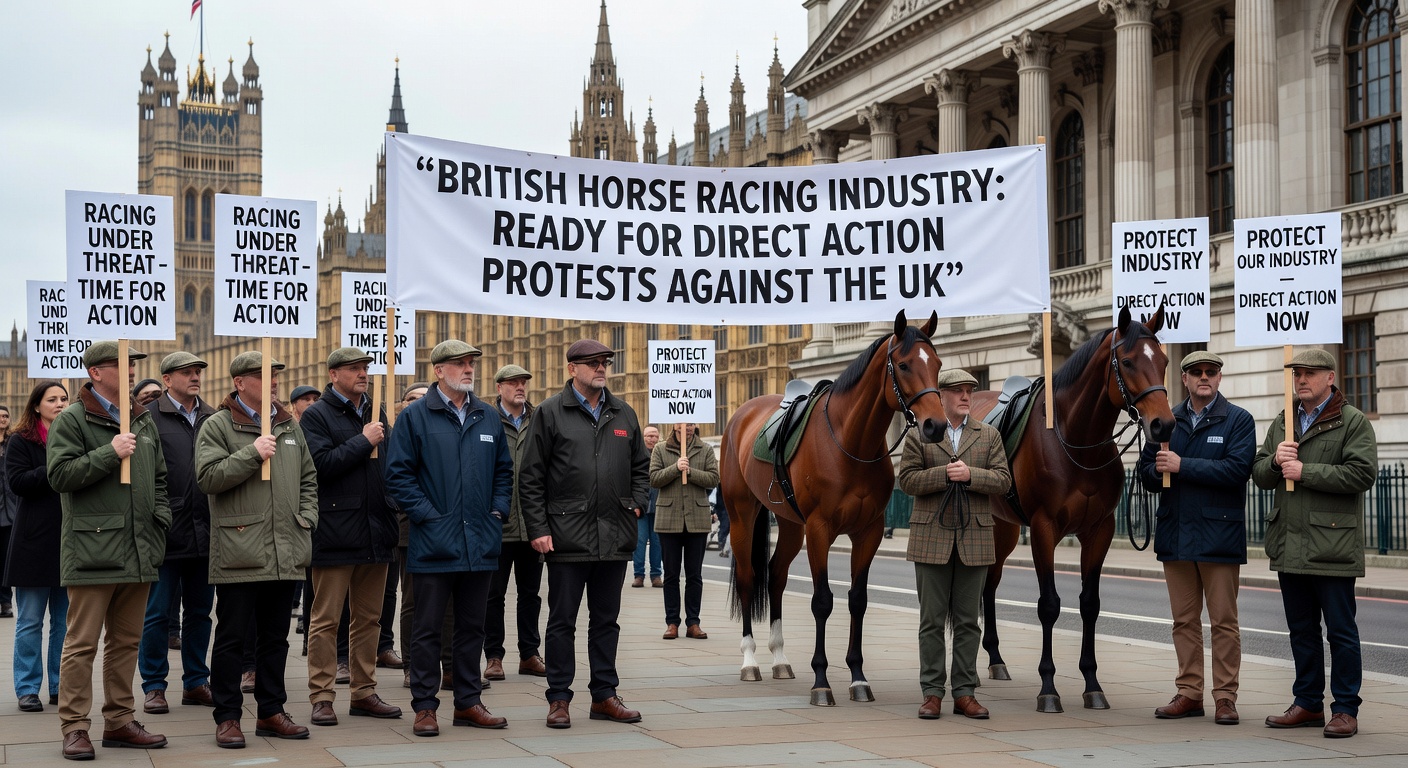
The British Horseracing Authority didn't mince words, voicing dismay over the unchanged rate; in statements covered by industry outlets, they argued that 10% falls short against skyrocketing costs like labor, feed, and energy, especially when offshore betting erodes the taxable pool.
Observers note the authority's push for reform stemmed from data showing levy returns lagging behind inflation; they called for alignment with peers abroad, warning that stagnation risks talent drain to more lucrative scenes.
But the government's counter—that hikes could drive bets overseas—left the BHA contending that the status quo undermines competitiveness; it's a classic standoff, where industry voices clash with fiscal caution.
Glancing Across the Irish Sea and Channel
France mandates 11.5% on similar profits, channeling more per bet into purses that lure global stars; Ireland, at 12.5% for onshore bookies, bolsters its powerhouse jumps circuit, with figures showing higher yields per race meeting.
The BHA spotlighted these benchmarks, noting how UK tracks offer comparatively lean prize pots; experts who've compared models point out that while the UK's levy exempts offshore wagers—a nod to market realities—rivals capture broader pools through tighter controls.
What's significant is that such disparities fuel debates on modernization, like extending levies to exchange bets or digital derivatives; yet for now, the 10% line holds, prompting questions on long-term viability.
Navigating Tax Pressures and Future Horizons
Recent gambling tax hikes—on point-of-consumption levies and remote duties—have bookmakers recalibrating, with margins compressed across sports and casino arms; the horseracing levy, by staying flat, offers a rare constant in this flux, as Minister Murray stressed during the March 25 debate.
Those tracking policy shifts observe that stability buys time for negotiations on broader reforms, like the Gambling Act review looming larger; meanwhile, March 2026 punters kept bets flowing on Lincoln and Cheltenham trials, oblivious to parliamentary wrangling.
And as spring festivals ramp up, the levy's GBP 108 million lifeline ensures fixtures proceed, even if grumbles echo from yard owners facing vet bills up 20% year-on-year.
Conclusion
The decision to freeze the Horserace Betting Levy at 10% caps a review balancing industry pleas against fiscal prudence, delivering GBP 108 million to sustain British racing's ecosystem; while the British Horseracing Authority laments the shortfall versus France and Ireland, government emphasis on stability amid tax turbulence sets the stage for ongoing dialogue.
Data underscores the levy's quiet growth, funding everything from foal farms to Festival fences; observers anticipate future tweaks as betting evolves, but for March 2026, the ball rests in Parliament's court—steady as she goes, with eyes on the next review horizon.