The Cascade Effect: Tracing How Initial Signup Incentives Flow Into Layered Loyalty Rewards and Retention Programs at Regulated Operators
Sam Otto · Aug 5, 2026
The Cascade Effect: Tracing How Initial Signup Incentives Flow Into Layered Loyalty Rewards and Retention Programs at Regulated Operators
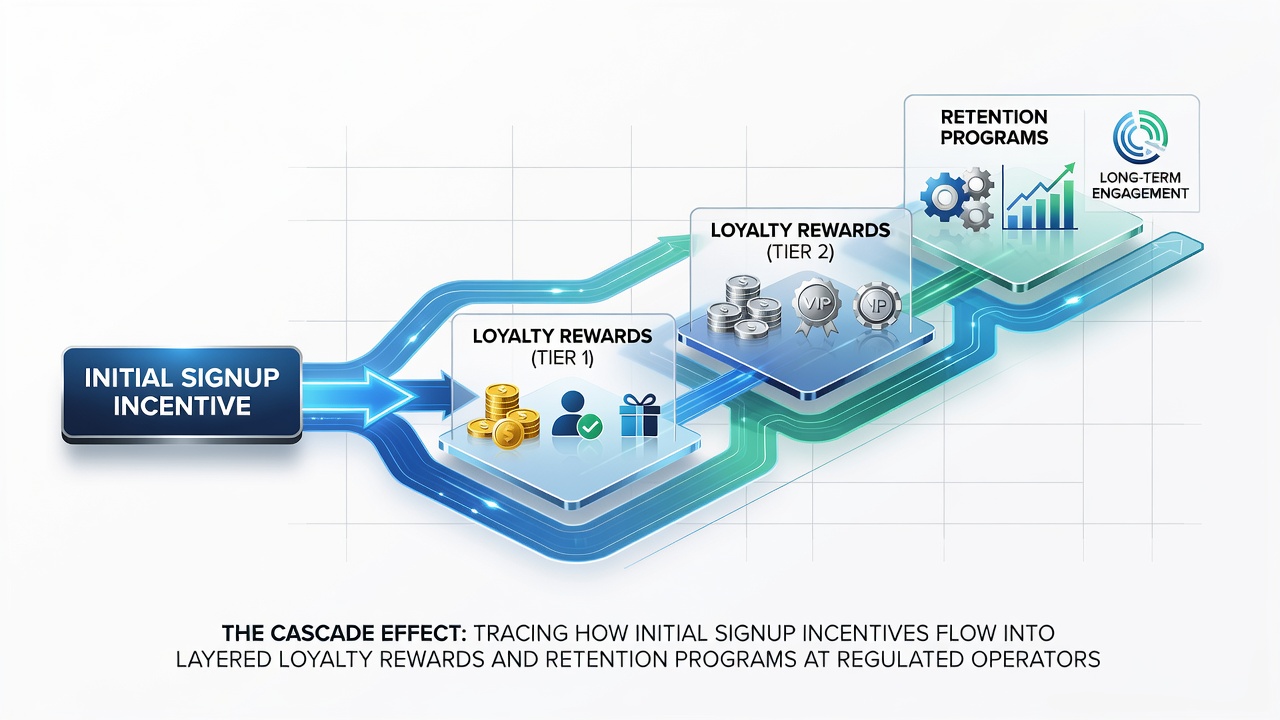
Initial signup incentives function as entry mechanisms that regulated operators structure to guide new users toward sustained activity, and data from multiple jurisdictions shows these offers typically convert into points-based systems within the first 30 days of registration. Operators in various markets design welcome packages around deposit matches and bonus credits that accumulate value only when players meet playthrough thresholds, which in turn feed directly into loyalty tracking software.
Those thresholds often align with the same metrics that determine tier progression in retention programs, creating a seamless handoff from one-time promotions to ongoing reward structures. According to reports from the Responsible Gambling Council, participation rates in these layered systems rise when initial incentives include visible progress indicators such as progress bars or point previews.
Mechanics of the Initial Transition Phase
Regulated operators track every wager placed with bonus funds through centralized databases, and those figures automatically populate loyalty accounts once standard play resumes. The transition occurs without additional user input in most platforms because backend systems link bonus wallets to main accounts at the moment of redemption. This automation reduces drop-off rates between the signup stage and the first loyalty tier, while operators in North American and European markets report similar patterns in quarterly filings.
One documented pathway involves a matched deposit that generates loyalty points at a fixed ratio, after which those points unlock cashback percentages or free-play vouchers. The same ratio often carries forward into monthly challenges that operators introduce once the initial bonus cycle completes. Data compiled by the Australian Gambling Research Centre indicates that users who complete the first tier within 14 days show higher retention through the subsequent six months compared with those who delay engagement.
Layered Reward Structures and Point Accumulation
Loyalty programs at regulated operators typically operate across four or five tiers, each requiring cumulative activity that builds on the volume generated during the signup incentive period. Points earned from bonus play count toward tier qualification at the same rate as standard wagers, which accelerates movement for new users who maximize their initial offers. Higher tiers then deliver differentiated benefits such as personalized reload bonuses, event tickets, or dedicated account management.
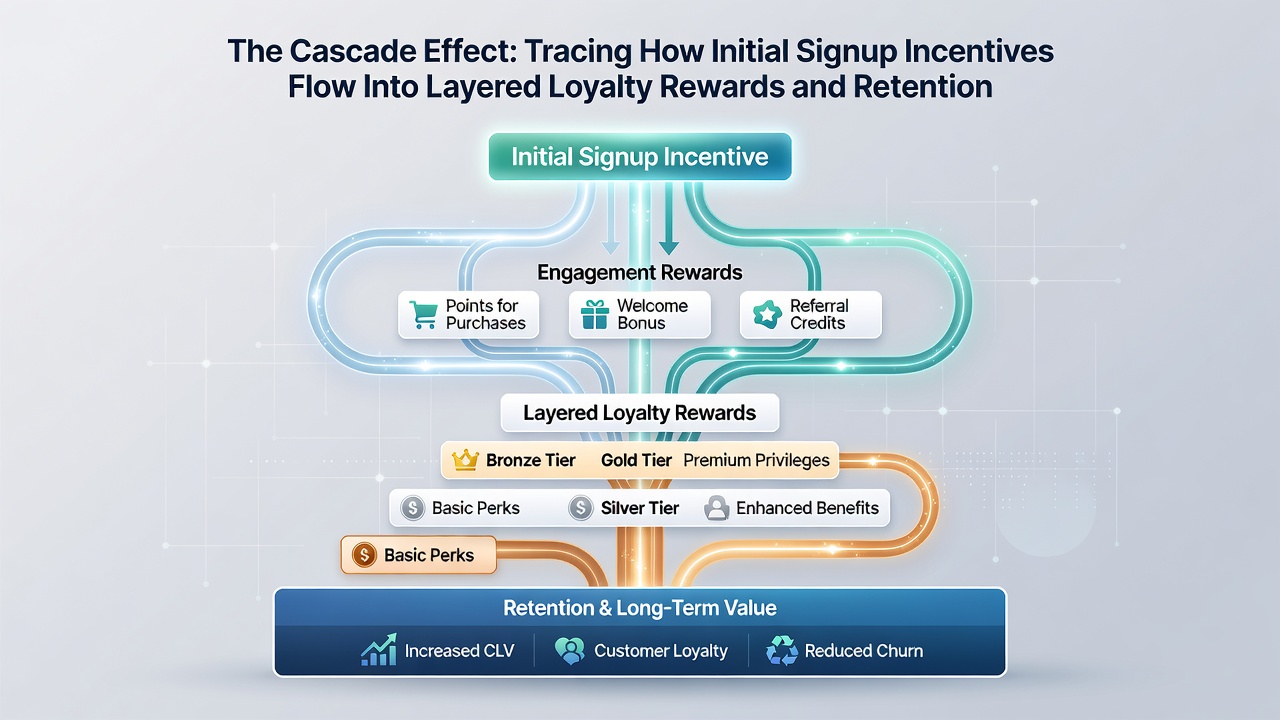
Operators adjust point values seasonally to align with major sporting calendars, and August 2026 schedules show several North American and Australian platforms increasing multipliers during pre-season football and rugby periods. These adjustments maintain momentum for users who entered through summer signup campaigns. External audits confirm that point expiration policies remain consistent across tiers, preventing accumulation from lapsing before rewards can be claimed.
Retention Program Integration Across Jurisdictions
Retention initiatives draw from the same user data collected during incentive redemption, allowing operators to segment audiences for targeted communications that reference past bonus activity. In jurisdictions overseen by the New Jersey Division of Gaming Enforcement, for example, operators must log all incentive-to-loyalty conversions for compliance reviews, and similar requirements exist in several Canadian provinces. This regulatory oversight ensures transparency in how initial offers influence long-term engagement metrics.
Studies published through the University of Nevada, Reno's gaming research division have examined how these integrated systems affect player behavior over multi-month periods. Findings reveal that users who receive tiered rewards calibrated to their signup patterns maintain higher average session frequencies than those in non-layered programs. The calibration often incorporates elements such as personalized milestone bonuses that activate automatically once loyalty points reach predetermined thresholds.
Conclusion
The cascade from signup incentives to layered loyalty programs operates through interconnected tracking systems that convert one-time offers into sustained engagement tools at regulated operators worldwide. Data across multiple regulatory environments demonstrates consistent patterns in how points transfer and tiers advance, with external research bodies continuing to monitor outcomes in both established and emerging markets. These structures remain subject to ongoing compliance requirements that shape their design and execution.