Payment Options Shape Layered Reward Structures Across Hybrid Gambling Platforms
Sam Otto · Jul 24, 2026
Payment Options Shape Layered Reward Structures Across Hybrid Gambling Platforms
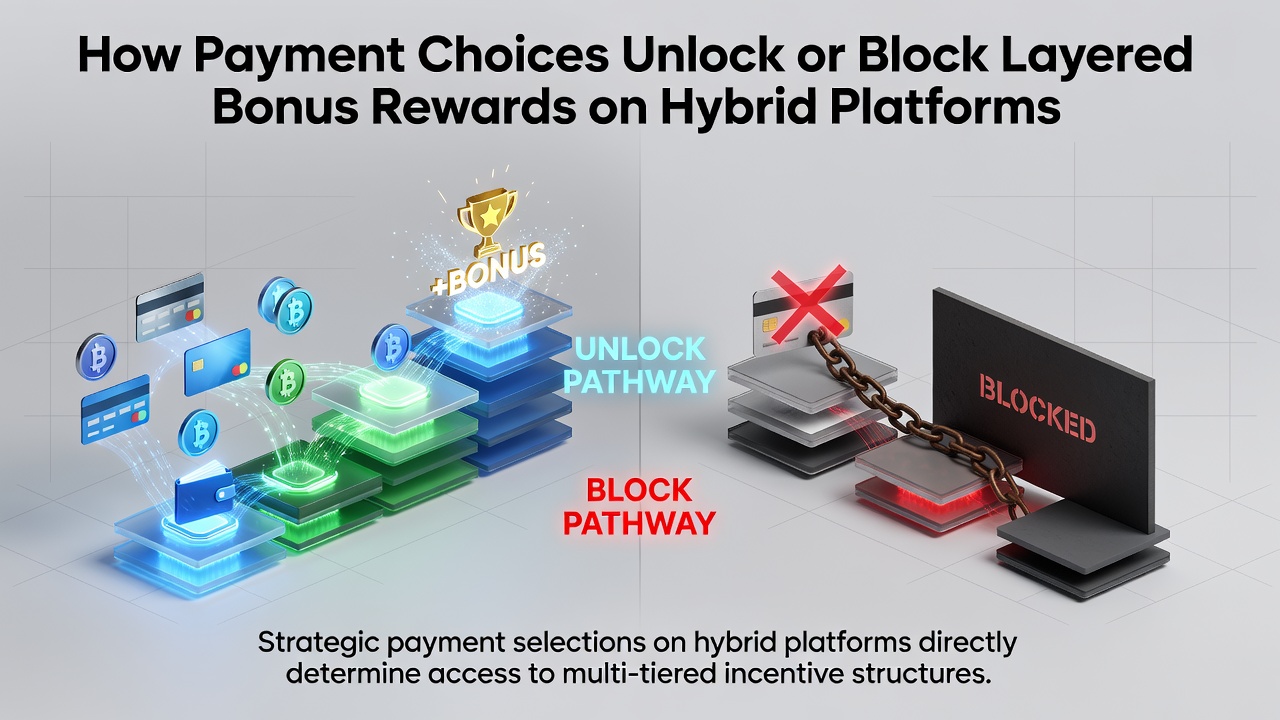
Hybrid platforms combine sports betting with casino games under one account, and payment selections often determine whether users access stacked rewards or hit restrictions that limit total returns. Data from industry reports shows that deposit methods such as credit cards, e-wallets, bank transfers, and cryptocurrencies each carry distinct rules for bonus eligibility, wagering contributions, and maximum payout caps.
Payment processors that platforms classify as preferred typically unlock full access to deposit-match offers, free bet tokens, and cashback layers, while others trigger exclusions or reduced percentages. Those who've reviewed operator terms note that credit card deposits frequently qualify for the highest bonus tiers because they allow seamless verification and chargeback protections that align with platform risk models.
How Deposit Methods Influence Multi-Layer Bonus Activation
E-wallet transactions using services like PayPal or Skrill often receive full bonus credit yet sometimes face separate processing fees that reduce net deposit value before any match applies. Researchers at academic institutions tracking digital payment trends have observed that instant funding methods accelerate bonus release timing, allowing players to meet initial wagering requirements within the same session rather than waiting days for bank transfers to clear.
Bank wire deposits, by contrast, frequently block instant bonus layers because platforms require manual confirmation that delays activation until funds settle. This creates a gap where time-sensitive promotions expire before users complete the first deposit step. Crypto options such as Bitcoin or stablecoins have gained traction since early 2025, with several hybrid sites granting them exclusive bonus multipliers that standard methods cannot access, though volatility rules sometimes cap the maximum redeemable amount.
Regional Regulatory Influences on Payment Bonus Policies
Authorities in different jurisdictions impose varying restrictions that operators must embed into their bonus structures. The New Jersey Division of Gaming Enforcement requires clear disclosure of which payment types contribute toward wagering thresholds, and this transparency has led hybrid platforms serving that market to standardize their rules across international users. Similar patterns appear in Canadian provincial frameworks where certain provinces mandate that bonus terms list excluded methods explicitly to prevent disputes over layered rewards.
Hybrid sites that operate across borders must reconcile these requirements, resulting in payment-specific bonus menus that change based on user location. Figures from industry associations indicate that platforms using geo-filtered payment options see higher completion rates for multi-layer promotions because users encounter fewer surprise blocks during the deposit process.
Layered Rewards and Wagering Contribution Variations
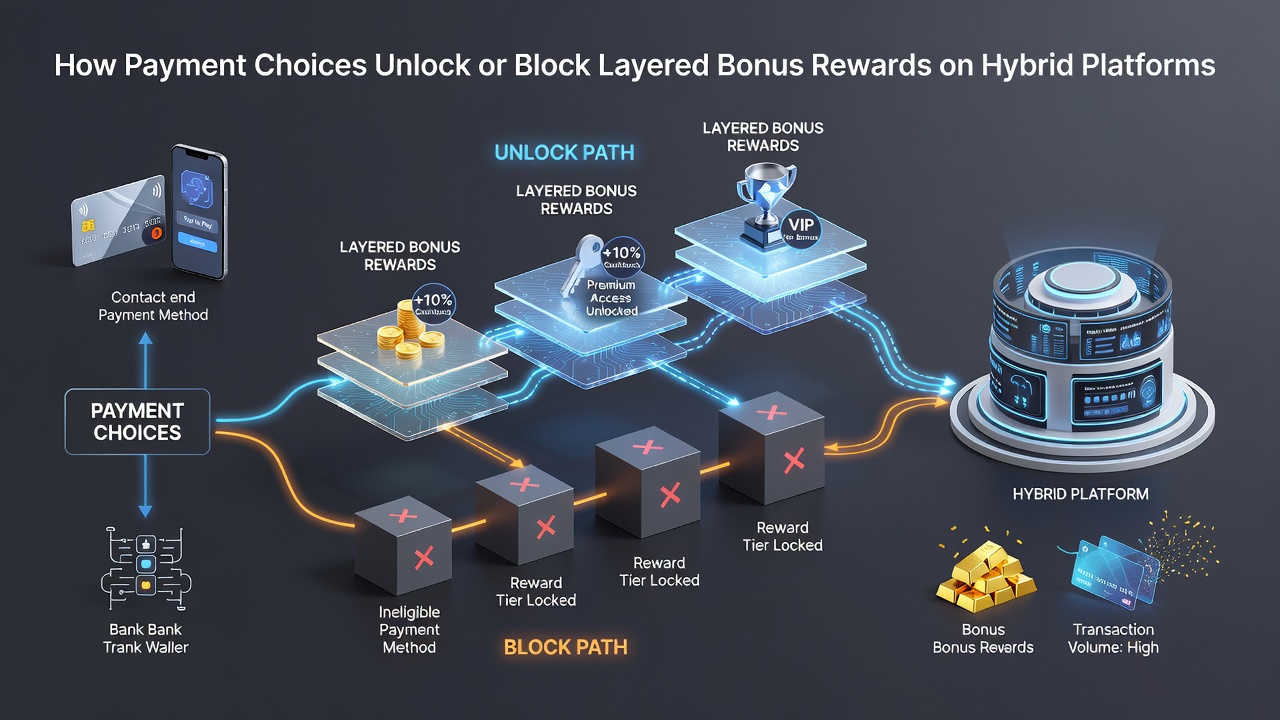
Layered bonuses typically stack a welcome deposit match with ongoing cashback and loyalty points, yet each payment method carries different contribution percentages toward those requirements. Credit card deposits usually count at 100 percent toward sports betting and casino playthrough, whereas certain e-wallets drop to 50 or 75 percent for table games because operators classify them as higher-risk for bonus abuse.
Those monitoring platform updates in July 2026 report that several major hybrid operators introduced crypto-only bonus layers offering accelerated point accumulation, provided users maintain a minimum monthly deposit volume through that channel. Bank transfer users, meanwhile, often find their deposits excluded from the initial match but still eligible for later cashback tiers once verification completes.
Payment choice also affects maximum bonus caps and withdrawal timelines after rewards convert to cash. Observers note that platforms apply stricter payout limits to bonuses earned through certain digital wallets to offset faster transaction speeds, while credit card bonuses sometimes inherit longer pending periods due to chargeback windows that extend up to 120 days.
Practical Examples of Payment-Driven Bonus Outcomes
Take one case where a user deposits via an approved e-wallet and unlocks a three-layer package including a 100 percent match, 50 free spins, and weekly cashback, all contributing toward a combined wagering target. Switching the same deposit amount to a non-preferred method removes the free spins layer entirely and reduces the match to 50 percent, demonstrating how the initial choice blocks downstream rewards.
Another documented scenario involves cryptocurrency deposits triggering an additional loyalty multiplier that standard methods lack, allowing faster progression through tiered reward programs. These differences stem from operator agreements with payment providers rather than random policy, and data from trade groups shows consistent patterns across multiple hybrid platforms operating in 2026.
Conclusion
Payment selection functions as a gatekeeper for layered bonus access on hybrid platforms, with each method carrying specific eligibility rules, contribution rates, and payout conditions. Operators continue refining these structures in response to regulatory updates and provider partnerships, creating a landscape where users benefit from reviewing terms before committing funds. Understanding these mechanics allows participants to align their preferred payment options with desired reward combinations without encountering unexpected blocks.