Mobile Alert Systems Transforming Tiered Rewards Access for Independent Operators
Cameron Zimmermann · Aug 19, 2026
Mobile Alert Systems Transforming Tiered Rewards Access for Independent Operators
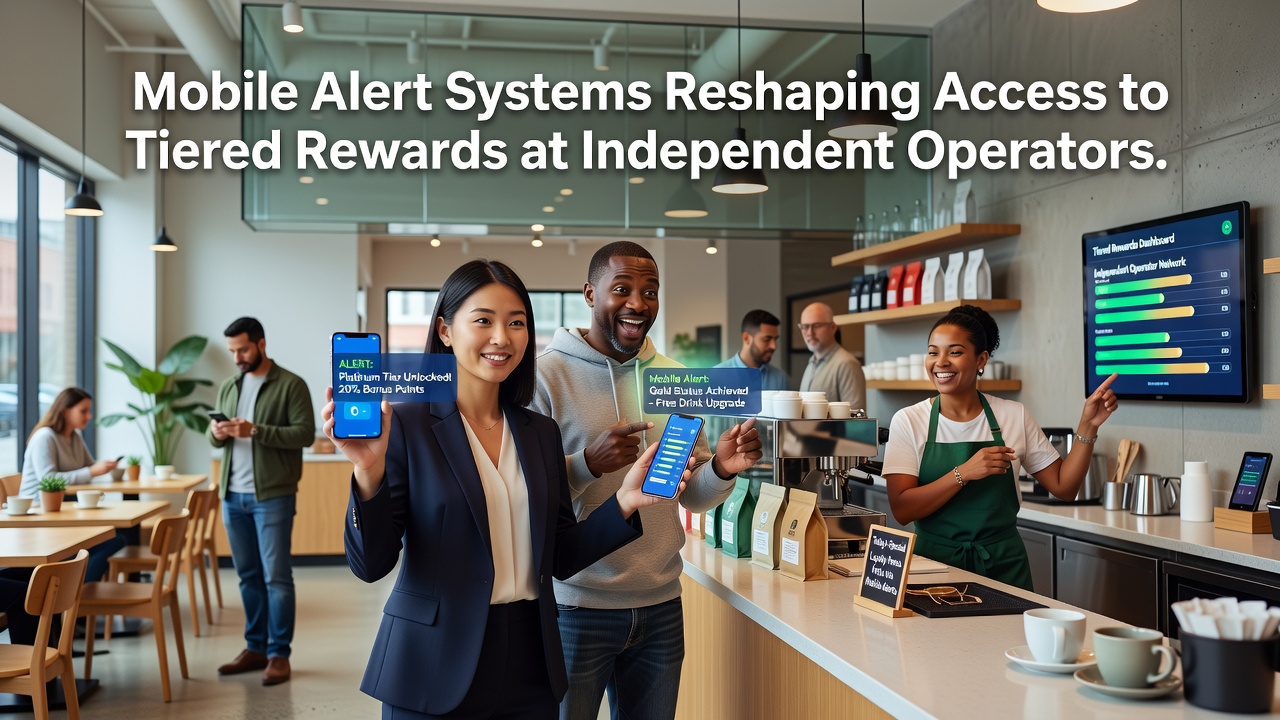
Data from industry reports shows mobile alert systems have integrated deeply into loyalty programs run by independent operators, allowing real-time updates on tier status and reward eligibility through push notifications and in-app messages. These systems track player activity across multiple sessions and send targeted alerts when users approach the next reward level, which reduces delays that once required manual checks on desktop platforms. Observers note that smaller operators without large corporate infrastructure have adopted these tools to compete with bigger platforms by delivering instant feedback on accumulated points and unlocked benefits.
Core Mechanics Behind Alert-Driven Tier Access
Independent operators configure alert systems to monitor specific metrics such as wager volume, deposit frequency, and session duration, then trigger notifications once thresholds are met. Research indicates this automation cuts the average time between reaching a tier and claiming rewards from several days down to minutes in many cases. The process relies on secure API connections between the operator's backend database and mobile devices, ensuring alerts contain encrypted links that direct users straight to personalized reward dashboards. Those who've studied these implementations find that operators often combine SMS backups with push notifications to maintain reach even when app permissions limit background activity.
Adoption Patterns Across Regions in 2026
Figures from mid-2026 reveal accelerated rollout in markets outside major regulatory hubs, with operators in Canada and parts of Europe integrating alert platforms at higher rates than in previous years. A study by the American Gaming Association highlights how these tools support compliance with local player protection rules by logging every notification sent and requiring explicit consent for reward communications. In August 2026 several independent firms reported measurable lifts in tier progression rates after switching from email-only systems to mobile-first alerts, though exact percentages vary by jurisdiction and player demographic. What's interesting is the way smaller operators leverage open-source notification frameworks to keep development costs low while still meeting data security standards set by regional authorities.
Impact on Player Behavior and Operator Metrics
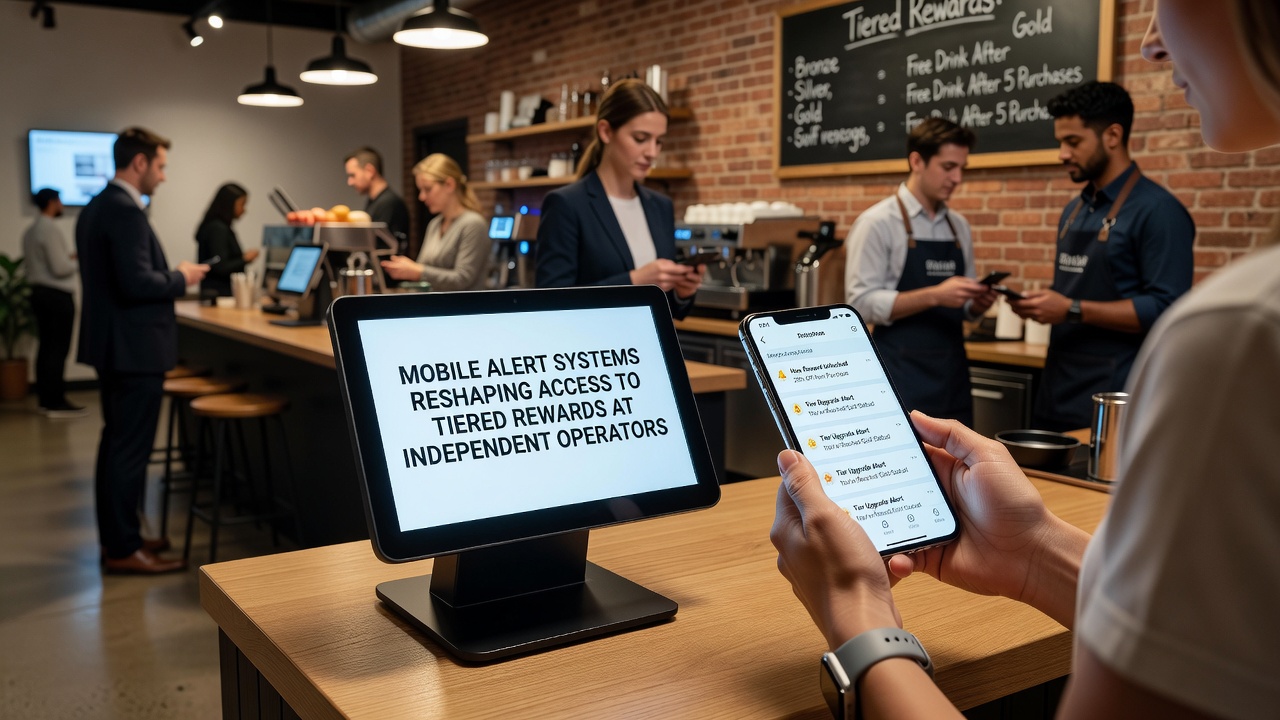
Evidence suggests mobile alerts increase the frequency of return visits because users receive reminders precisely when new rewards become available or when tier maintenance requirements are at risk. Operators track open rates and click-through metrics to refine message timing, often scheduling alerts during peak engagement windows identified through historical session data. One case documented by academic researchers at a European gaming institute showed that independent sites using segmented alert lists achieved higher retention among mid-tier players compared with those relying on generic promotions. teh ball's in the operators' court when it comes to balancing notification volume against user fatigue, and many have introduced preference centers that let players select alert categories without opting out entirely.
Technical and Regulatory Considerations
Security protocols require end-to-end encryption for all reward-related messages, while regulatory bodies in multiple jurisdictions now mandate audit trails that record when alerts were sent and acknowledged. Independent operators frequently partner with specialized tech providers to handle scalability during high-traffic periods such as major sporting events. Data shows that integration challenges arise mainly around legacy systems that lack real-time APIs, prompting some firms to migrate to cloud-based loyalty engines. Those who've examined compliance records note that transparent disclosure of how alerts influence tier calculations helps maintain trust, especially when reward structures include time-limited bonuses tied to specific notification triggers.
Future Developments and Industry Outlook
Projections based on current adoption curves point toward wider use of AI-driven personalization within alert systems, where algorithms predict the most relevant reward offers for each user profile. Industry organizations such as the Canadian Gaming Association have begun publishing guidelines on ethical use of predictive notifications to avoid over-promotion. By late 2026 further refinements are expected around cross-device synchronization, allowing alerts to follow players from mobile to tablet without resetting progress indicators. Observers note that these advancements continue to level the playing field for independent operators seeking to retain active users through timely, accurate reward information.
Conclusion
Mobile alert systems have become a practical bridge between player activity and tiered reward delivery at independent operators, supported by measurable improvements in engagement speed and system transparency. Continued investment in secure, compliant notification infrastructure positions these tools as standard components of modern loyalty programs across diverse regulatory environments.