Mapping Bonus Pathways: Intersecting No-Deposit Rewards with Wagering Mandates in Multi-Operator User Tactics Across Britain
Cameron Zimmermann · Jul 17, 2026
Mapping Bonus Pathways: Intersecting No-Deposit Rewards with Wagering Mandates in Multi-Operator User Tactics Across Britain
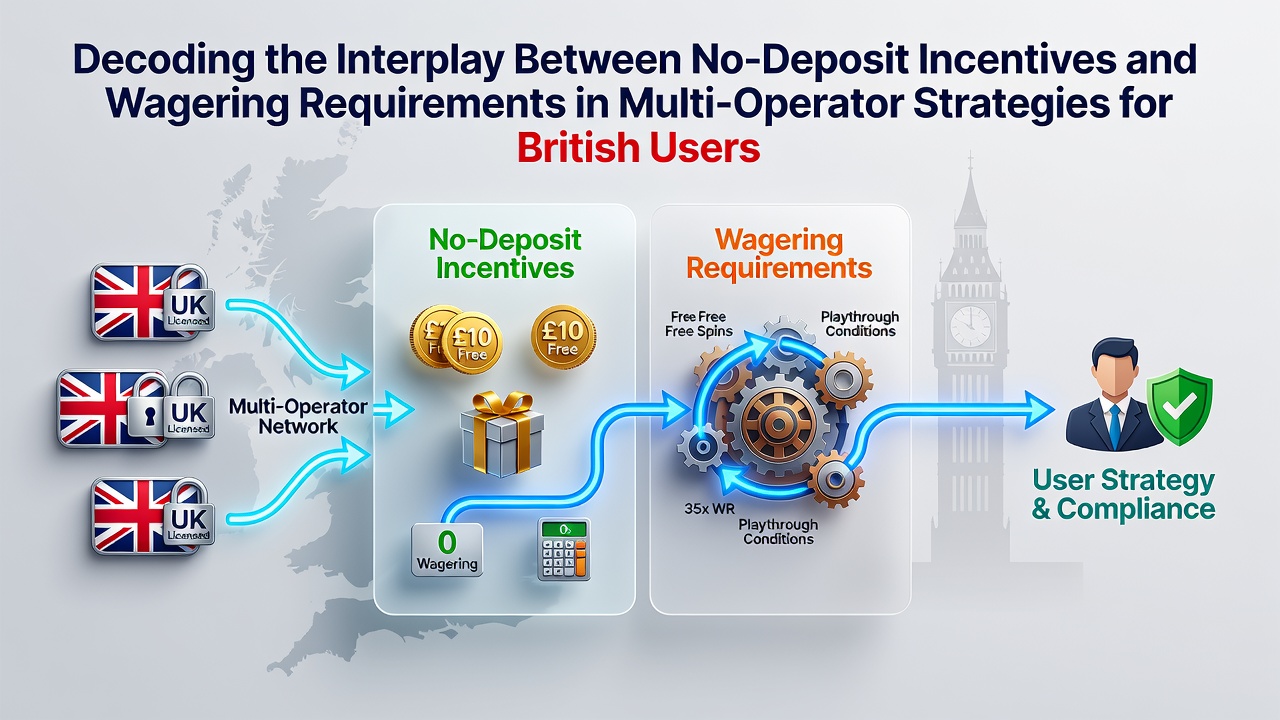
Operators in Britain structure no-deposit incentives as entry points that grant users free bets or spins without requiring an initial deposit, while wagering requirements set the volume of play needed before any winnings become withdrawable. These elements combine in ways that influence how players distribute activity across several sites simultaneously, since each platform maintains distinct rules for bonus activation and rollover tracking.
Core Mechanics of No-Deposit Incentives
Platforms issue no-deposit rewards through registration processes or promotional codes, delivering fixed amounts such as £10 in free bets or 20 free spins that credit directly to user accounts. British users often receive these offers after completing basic verification steps, and the incentives carry expiration windows typically ranging from seven to thirty days. Research from the American Gaming Association indicates that such promotions appear in 65 percent of digital gambling campaigns tracked across regulated markets in 2025, reflecting their role in initial user acquisition.
Operators tie these rewards to specific game types or bet formats, which means users must select eligible events or slots to activate them. Data shows that free spins frequently apply only to designated titles, whereas free bets extend across sports markets with minimum odds thresholds set at 1.5 or higher. When users combine incentives from multiple operators, they track separate balances and eligibility periods to avoid overlap violations that could void rewards.
Wagering Requirements and Their Calculation Methods
Wagering requirements function as multipliers applied to bonus amounts or associated winnings, requiring users to place bets totaling a set figure before cashing out. Common structures demand 20x to 40x playthrough on deposit-free credits, with some operators excluding certain bet types such as cash-out options or accumulator bets with fewer than three selections from counting toward the total. Figures from the Australian Communications and Media Authority reveal that average rollover rates in comparable markets reached 28x during the first half of 2026, highlighting consistency in how thresholds shape user behavior.
Multi-operator strategies emerge when users identify platforms with lower multipliers or more inclusive bet categories, allowing faster completion of playthrough targets. One approach involves allocating no-deposit winnings from a high-requirement site toward lower-requirement operators, though each platform enforces independent tracking that prevents direct transfer of progress. Observers note that July 2026 saw increased documentation of users maintaining spreadsheets to log real-time wagering progress across three or more accounts simultaneously.
Strategic Distribution Across Multiple Platforms
Users operating across several operators segment their activity by matching specific incentives to particular risk profiles. For instance, a no-deposit free bet on one site might fund low-odds selections that contribute steadily toward wagering goals, while another platform's spins target high-volatility slots that accelerate completion when variance aligns favorably. Industry reports from the Canadian Gaming Association document similar patterns in cross-platform engagement, where participants maintain activity logs to monitor contribution rates per operator without triggering bonus abuse flags.
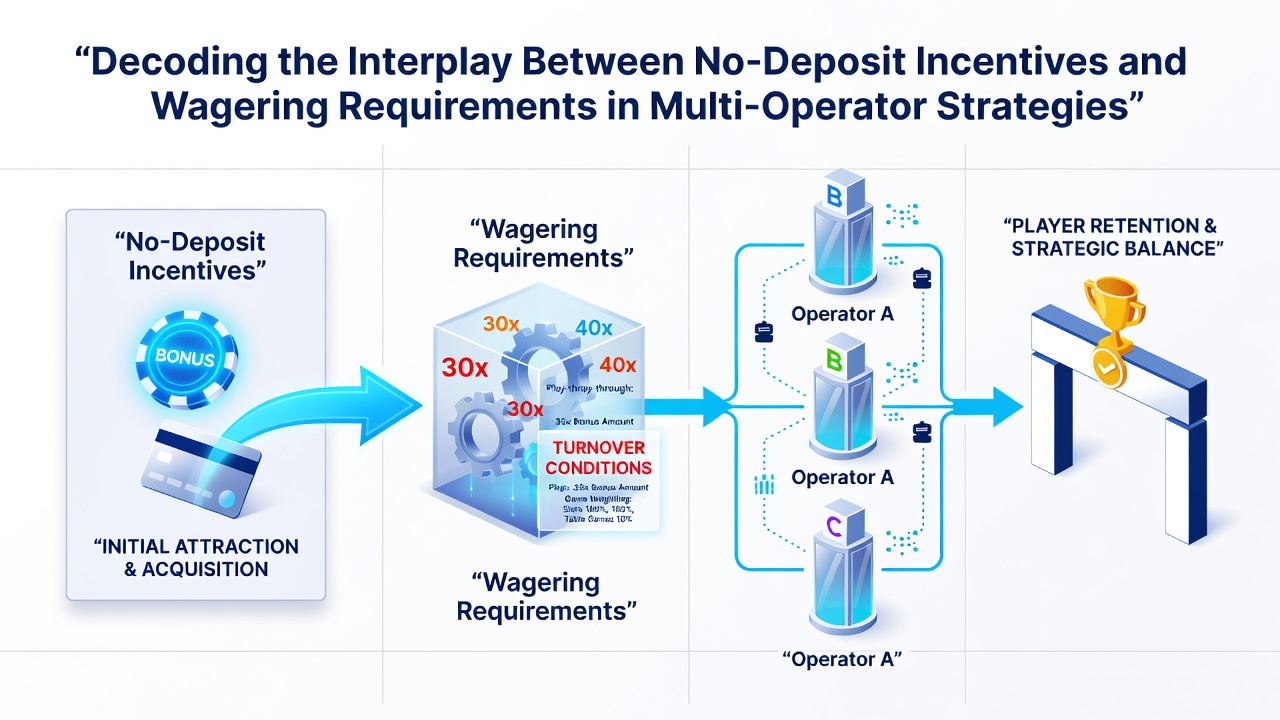
Platform-specific terms further complicate these tactics because some exclude live betting or certain casino table games from rollover counts. Users therefore route qualifying wagers through pre-match markets on one operator while directing spins toward approved video slots on another, maintaining separate ledgers for each. This segmentation reduces the chance that a single site's restrictions halt overall progress and allows participants to cycle through offers as new promotions launch throughout the year.
Regulatory Context and Compliance Factors
British operators must display wagering terms clearly at the point of bonus presentation, including the exact multiplier, eligible games, and time limits. Compliance frameworks require that users receive notifications when bonuses near expiration or when partial wagering progress updates become available. External analyses, including studies published by the National Council on Problem Gambling, show that transparent disclosure correlates with higher retention rates when users understand the full sequence from incentive receipt to withdrawal eligibility.
Cross-operator activity also intersects with age-verification protocols and responsible gambling tools, since each platform independently monitors deposit patterns and self-exclusion lists. Users who activate no-deposit offers on multiple sites encounter cumulative exposure limits that operators calculate separately, even when overall spending remains controlled. This structure encourages deliberate pacing rather than rapid cycling through every available promotion.
Conclusion
The interaction between no-deposit incentives and wagering requirements creates layered decision points for users navigating multiple British operators. Each platform's distinct parameters for bonus activation, eligible bet types, and rollover calculations require systematic tracking to align incentives with achievable targets. Data from various regulatory bodies and research organizations continues to illustrate how these mechanics evolve alongside seasonal promotional calendars, shaping the operational landscape without altering the fundamental need for users to manage separate account conditions concurrently.