Horse Racing Gears Up for Escalating Protests Over UK Gambling Commission's Affordability Checks
Sam Otto · Apr 10, 2026

Horse Racing Gears Up for Escalating Protests Over UK Gambling Commission's Affordability Checks
The Spark Igniting Direct Action in British Horse Racing
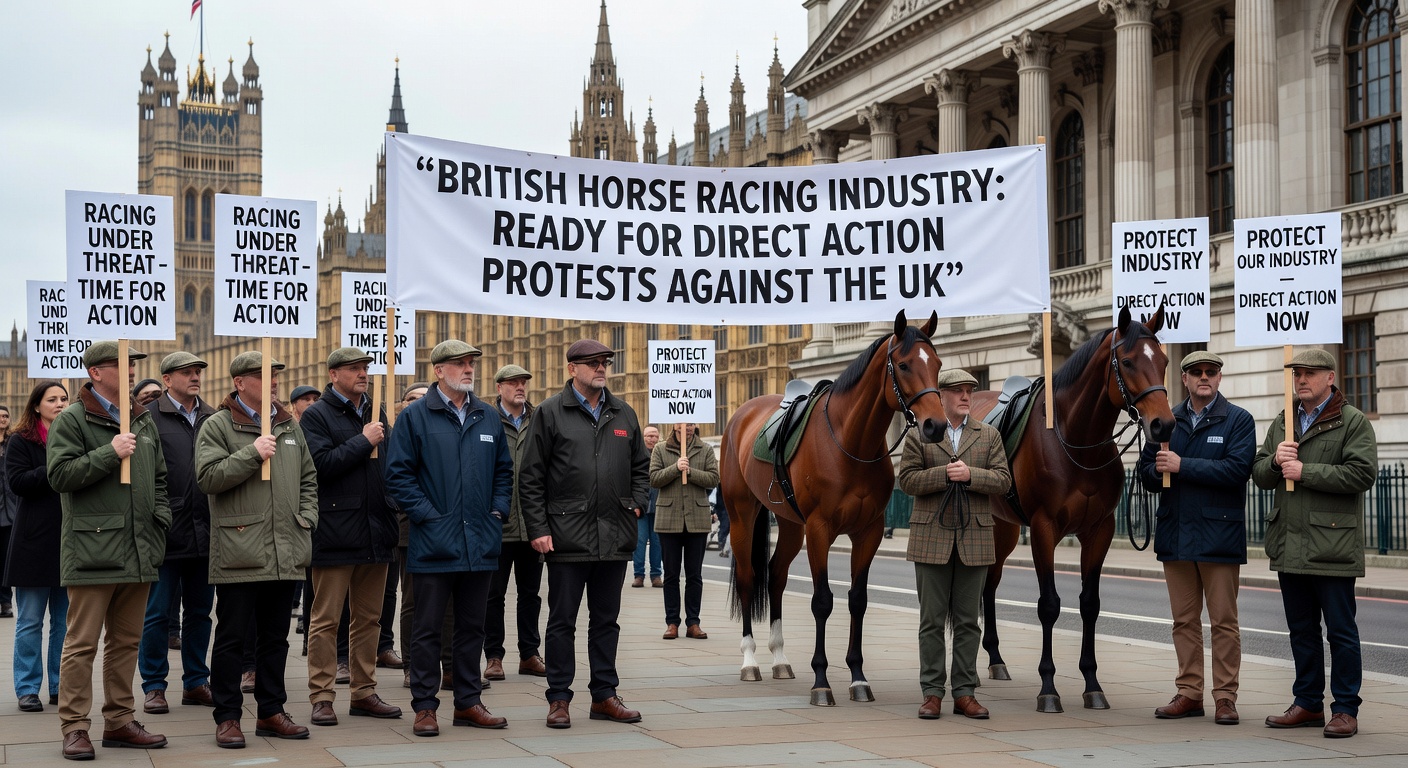
Industry leaders in British horse racing have signaled readiness for intensified direct action protests against the UK Gambling Commission's looming affordability checks, measures set to roll out in April 2026 that promise to slash betting turnover and the vital levy income sustaining the sport. Prominent stakeholders, including landowners and trainers, warn these checks will hit hard at the core funding mechanisms, prompting calls for bolder demonstrations beyond traditional lobbying. What's interesting is how quickly the rhetoric has shifted from boardroom debates to trackside theatrics, with figures like David Maxwell already making headlines through eye-catching stunts.
Observers note that these affordability checks, designed to curb problem gambling by scrutinizing punters' spending limits based on income and outgoings, come amid broader regulatory tightening; yet for racing, the stakes feel existential since betting levies directly fuel prize money, track maintenance, and breeding programs. Data from the Betting and Gaming Council underscores the dependency, revealing that levy contributions account for a substantial slice of the industry's revenue, often exceeding £100 million annually in recent years.
David Maxwell's Dramatic Trackside Statement
Landowner and former National Hunt trainer David Maxwell grabbed attention in early April 2026 by intentionally dismounting—and falling off—his horse during a race at Wincanton, a calculated act to draw eyes to the affordability checks' threat. While stewards later cleared him of any rule breach, deeming the gesture a legitimate protest, the incident sparked widespread media coverage and solidarity from peers who see it as a wake-up call. Maxwell, speaking post-event, emphasized how reduced betting volumes under the new rules could erode the levy by up to 20-30%, figures echoed in industry forecasts.
But here's the thing: such actions mark a departure from the sport's usual playbook of parliamentary briefings and sponsor negotiations, signaling frustration with regulators who, according to stakeholders, prioritize consumer protection over sector viability. Those who've followed racing's funding woes point out that the levy system, where bookmakers contribute a percentage of betting turnover on British races, has long been the lifeline; any dip in turnover directly starves fixtures of resources, potentially leading to fewer meetings or diminished purses.
Affordability Checks: The Regulatory Thundercloud
Scheduled for full implementation by late 2026 but with pilots influencing behaviors already, the Gambling Commission's affordability checks require operators to verify customers' financial means before allowing high-stakes bets, typically flagging those exceeding 4-5% of disposable income on gambling. Research indicates this could suppress overall turnover by 10-15% across sports betting, but horse racing faces outsized pain since it relies heavily on recreational punters placing frequent, smaller wagers on races.
Experts have observed similar friction in other jurisdictions like Australia, where stake limits halved betting handles and squeezed racing levies; British stakeholders fear a repeat, especially as offshore bookies evade checks, leaving licensed UK firms—and thus the levy—bearing the brunt. Turns out, the British Horseracing Authority (BHA) has crunched numbers showing levy income potentially dropping £25 million yearly, enough to jeopardize small trainers and rural tracks clinging to viability.
Broader Industry Mobilization Takes Shape
Calls for escalated protests have gained traction among trainers, owners, and even jockeys, with whispers of coordinated disruptions at major spring festivals like Cheltenham and Aintree if concessions aren't forthcoming. One trainer, speaking anonymously, likened the checks to "strangling the golden goose," highlighting how levy funds not only boost prize money—up 15% in recent seasons thanks to bookmaker deals—but also support equine welfare programs and grassroots training.
And while some bookmakers publicly back the checks for responsible gambling, behind closed doors they concede turnover dips will crimp sponsorships; data from the Horserace Betting Levy Board confirms that in 2025, levies hit £98.3 million, a record buoyed by buoyant betting volumes post-pandemic. Now, with April 2026 protests ramping up, the BHA rallies members via open letters urging government intervention, arguing the checks disproportionately harm a sport generating £3.5 billion economically annually.
People often find it notable how this unites disparate voices: flat racing magnates alongside jump enthusiasts, all decrying what they term a "punitive" policy ignoring racing's cultural role. Case in point: a recent survey by the National Trainers Federation found 78% of members willing to join direct actions, from silent vigils to, potentially, race boycotts.
Economic Ripples and Levy Lifeline Explained
The levy mechanism, renewed yearly through bookmaker negotiations, mandates contributions like 10% of online profits from British races, channeling funds straight to racing's coffers; yet affordability friction could erode that base as punters self-limit or migrate to unregulated sites. Figures reveal the sport employs over 85,000 people, with rural economies orbiting racecourses; a sustained levy shortfall risks closures, as seen in past downturns when fields thinned and attendances waned.
So, stakeholders push for exemptions or softer thresholds for racing bets, citing precedents where sports like greyhounds secured carve-outs. The reality is, without adaptation, mid-tier meetings could fold, concentrating action at elite levels and sidelining the grassroots where most passion—and betting—resides.
Regulatory Backdrop and Voices from the Commission
The UK Gambling Commission maintains the checks safeguard vulnerable players, pointing to data showing 0.4% of adults grapple with severe gambling harm; however, racing advocates counter that blanket measures overlook the sport's low-harm profile, with studies pegging racing punters' issue rates below averages for casino or slots betting. It's noteworthy that pilot programs in 2025 already trimmed session times, hinting at broader suppression ahead.
Yet regulators hold firm, with executives testifying before parliamentary committees that affordability forms the cornerstone of the 2025 Gambling Act reforms. Observers watch closely as April 2026 unfolds, wondering if protests sway ministers or harden resolve.
Outlook: Protests Poised to Intensify
As spring races heat up, the British horse racing community braces for more visible defiance, balancing spectacle with survival in the face of affordability checks that threaten to reshape funding landscapes. With levy reliance baked into the sport's DNA, stakeholders bet on public sympathy and political pressure to temper the rules. One study from the Racing Foundation projects that without mitigations, annual losses could exceed £40 million by 2028, underscoring urgency.
Those tracking the beat see parallels to tobacco lobbies of yore, but here the fight centers on a heritage pursuit; whether dramatic falls evolve into mass walkouts remains the ball in regulators' court.
Conclusion
British horse racing stands at a crossroads in April 2026, with direct action protests against UK Gambling Commission affordability checks crystallizing fears over plummeting turnover and levy shortfalls. From David Maxwell's bold tumble to looming coordinated efforts, the industry channels passion into advocacy, backed by Betting and Gaming Council data affirming levies' pivotal role. While checks aim to shield punters, stakeholders marshal evidence of disproportionate fallout, setting the stage for a pivotal summer showdown that could redefine racing's financial footing for years.