Examining Accumulation Sequences of Rewards for Active Users in Online Wagering Systems
Alex Hughes · May 20, 2026
Examining Accumulation Sequences of Rewards for Active Users in Online Wagering Systems
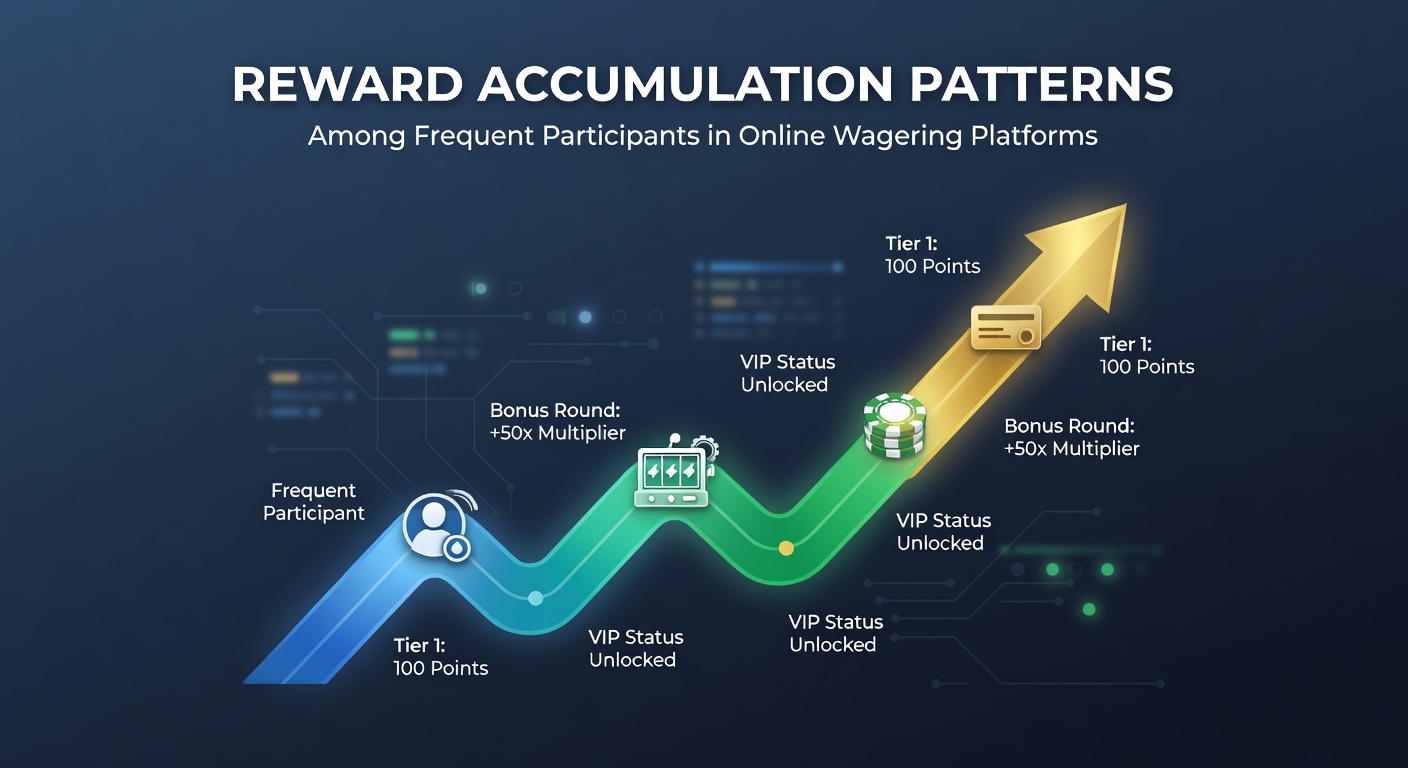
Platforms in the online wagering sector maintain detailed records of user activity, and observers note that frequent participants often follow distinct sequences when collecting incentives such as loyalty points and tier-based benefits. Data from multiple markets indicates these patterns emerge through repeated deposits, consistent session lengths, and progressive engagement with featured games or events. Researchers have tracked how users advance through structured programs where initial rewards lead to higher-value redemptions later in the cycle.
Studies conducted across North American and European operators reveal that participants typically reach the first reward threshold within the initial two weeks of regular play. This early phase involves modest point gains that accelerate once users qualify for enhanced multipliers or personalized offers. According to industry reports from the Canadian Gaming Association, such acceleration correlates with increased session frequency rather than larger individual stakes.
Key Data Points on User Progression
Analyses of aggregated transaction logs show clear clusters in reward buildup. One cluster centers on users who engage daily and convert points into free play credits at a steady rate. Another involves participants who space out activity across weekends yet still achieve mid-tier status through volume-based bonuses. These groupings appear consistently in datasets reviewed by academic teams at institutions like the University of Nevada, Las Vegas.
Figures released in early 2026 highlight that approximately 68 percent of high-frequency accounts reach at least the second loyalty tier by the end of the third month. The same datasets indicate slower accumulation among those who focus exclusively on low-volatility options, whereas mixed-game participants advance more rapidly. External factors such as promotional calendars also influence pace, with May 2026 showing elevated activity around major sporting events that trigger supplementary point awards.
Platform Analytics and Pattern Recognition
Operators deploy sophisticated tracking tools that log every interaction, from login times to bet types selected. These systems identify when users approach reward milestones and automatically surface relevant prompts. Observers point out that such automation helps maintain engagement without requiring manual outreach. A report from the Australian Institute of Gambling Research notes that platforms using real-time analytics retain frequent participants at rates 22 percent higher than those relying on static programs.
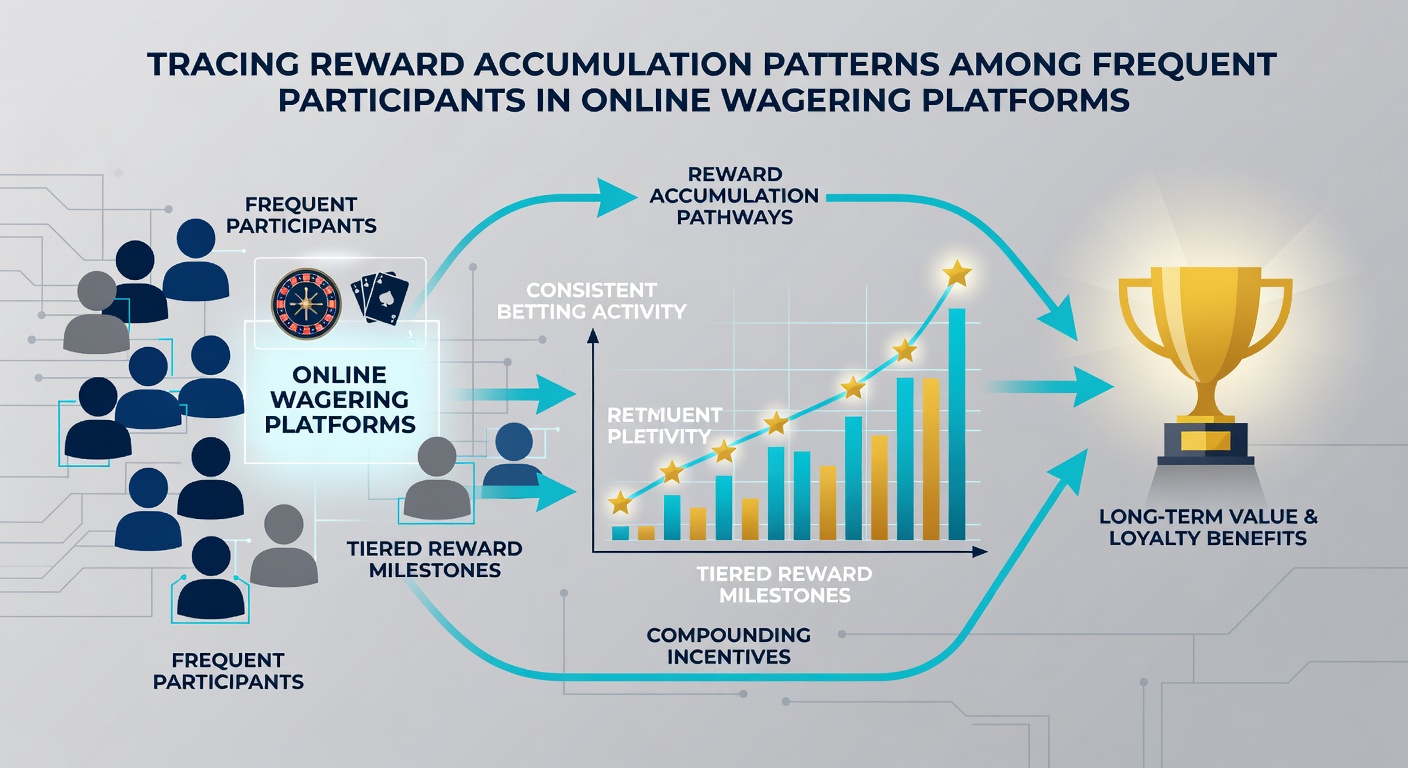
Take one longitudinal study that followed several thousand accounts over 18 months. Researchers discovered predictable sequences where users first maximized sign-on bonuses, then shifted focus to ongoing loyalty accumulation once initial credits depleted. The study further revealed that participants who combined sports and casino play accumulated rewards 35 percent faster than single-category users. This finding aligns with transaction data shared by operators in multiple jurisdictions.
Regional Variations in Reward Structures
Patterns differ by regulatory environment and market maturity. In regions with established frameworks, such as certain Australian states, programs emphasize long-term tier retention with escalating cashback percentages. European operators, by contrast, often layer time-limited challenges onto base loyalty systems, creating secondary accumulation paths. Data compiled by the European Gaming and Betting Association shows these layered approaches result in higher redemption diversity among frequent users.
May 2026 brought additional seasonal events that temporarily altered standard sequences. Participants who timed their activity around these periods recorded faster tier climbs compared with those maintaining uniform schedules. Platform logs indicate corresponding spikes in point redemptions during the same window, particularly for merchandise and travel rewards that carry higher perceived value.
Behavioral Indicators and Tracking Methods
Experts monitoring these systems have identified several reliable signals of sustained accumulation. Steady deposit intervals, increasing average session duration, and diversification across product verticals all correlate with accelerated progress. Conversely, irregular logins often precede plateaus where users remain at a single tier for extended periods. These indicators help platforms adjust communications and maintain momentum for active accounts.
Academic papers examining similar datasets emphasize the role of feedback loops. When users receive immediate confirmation of points earned, subsequent activity tends to rise in both frequency and duration. This mechanism appears across operators regardless of geographic focus, suggesting a common dynamic in reward psychology.
Conclusion
Overall records demonstrate that reward accumulation among frequent online wagering participants follows measurable sequences shaped by platform design, user habits, and external calendars. Continued analysis of transaction patterns provides operators and regulators alike with clearer views of engagement trends. As systems evolve, these sequences will likely incorporate new variables while retaining core progression structures observed through 2026.