Deposit Options and Their Impact on Incentive Access for British Bettors
Sam Otto · Jul 8, 2026
Deposit Options and Their Impact on Incentive Access for British Bettors
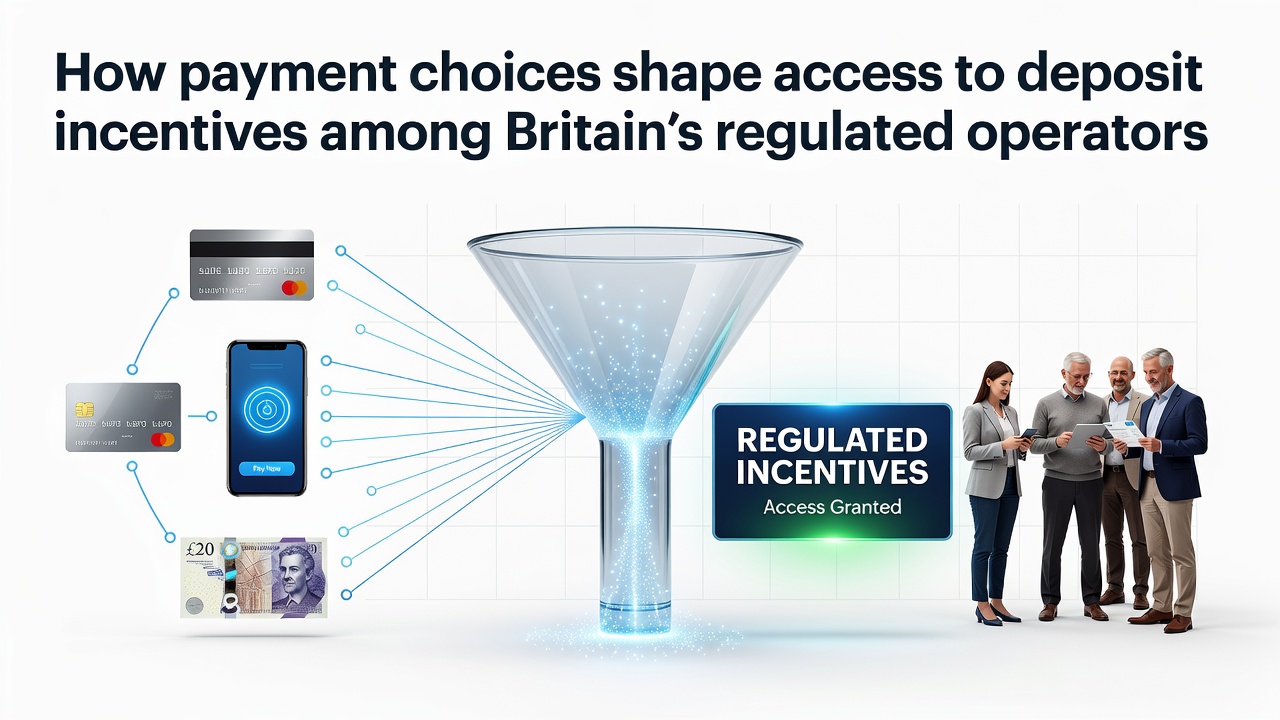
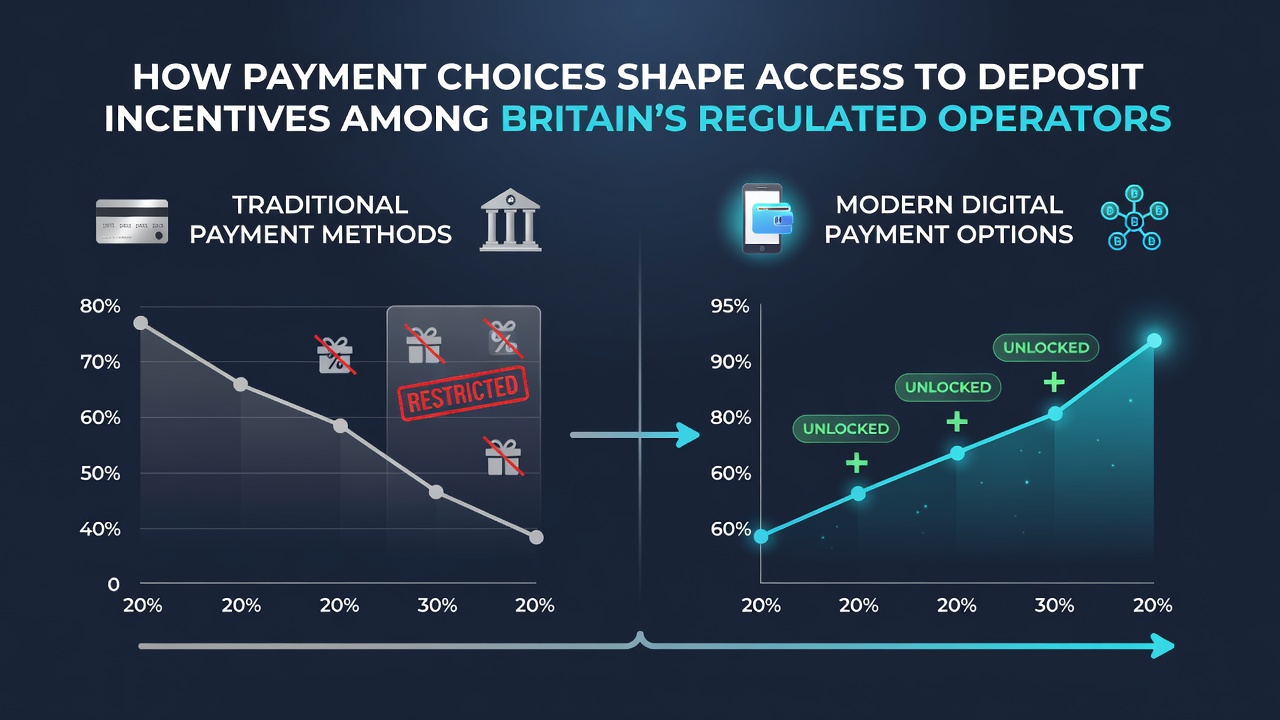
Britain's licensed operators connect deposit methods directly to eligibility for welcome incentives, and payment choices determine which bonuses become available at the point of funding an account. Credit and debit cards often unlock matched deposit offers because operators process them through established banking channels that comply with verification standards, whereas certain e-wallets restrict access to those same promotions due to fee structures and transaction tracing requirements. Data from multiple European operators shows that bank transfers qualify for incentives in fewer than 30 percent of cases, while card deposits trigger bonuses in over 70 percent of promotions during the first half of 2026.
Payment Categories and Bonus Alignment
Operators segment payment options into tiers that align with specific incentive structures, and those tiers reflect both processing costs and regulatory compliance levels across the market. Debit cards from major networks sit at the top tier because they allow instant verification and lower chargeback risks, which in turn permits operators to release deposit matches without additional holds. E-wallets such as PayPal and Skrill occupy a middle tier where some promotions remain open but others exclude them entirely since the operators absorb higher transaction fees that reduce margin available for bonuses. Prepaid vouchers and certain bank transfers fall into the lowest tier, where access to deposit incentives drops sharply because verification takes longer and operators apply stricter wagering conditions to offset the delay.
Those who've examined operator terms across multiple platforms note that the same deposit amount can unlock different incentive values depending on the method selected at checkout. One major operator in July 2026 adjusted its welcome package so that card-funded accounts received a 100 percent match up to £100 while e-wallet deposits received only a 50 percent match with an added wagering multiplier. The adjustment followed patterns observed in earlier quarters where card-heavy traffic produced higher retention rates after the initial bonus cleared.
Regulatory and Operational Factors
Rules set by licensing authorities outside Britain, including guidelines from the Nevada Gaming Control Board and reports issued by the Australian Communications and Media Authority, influence how operators structure method-based incentives even when serving UK customers. These frameworks emphasize responsible funding channels and require clear disclosure of which payments qualify for promotions, which pushes British operators to publish detailed method lists on their sites. Operators respond by routing bonus funds through card processors that already meet enhanced due diligence standards, while limiting e-wallet incentives to accounts that have completed additional identity checks.
Payment method restrictions also tie into anti-money laundering protocols that require source-of-funds checks before larger incentives release. Card deposits often satisfy these checks faster because banks provide real-time authorization data, whereas some digital wallet transactions require manual review that delays bonus activation by 24 to 48 hours. As a result, operators place shorter time limits on card-based offers and extend windows for e-wallet users, which alters the practical value of each incentive depending on how quickly the user completes verification.
Player Behavior and Method Selection Patterns
Account funding records from 2025 into mid-2026 indicate that users who select debit cards at signup convert bonus offers at higher rates than those who begin with e-wallets. The difference appears because card deposits integrate directly with operator risk engines that automatically approve the matched amount, while e-wallet deposits sometimes trigger secondary reviews. Observers tracking these patterns report that first-time depositors who read the method-specific terms before choosing a payment avoid disappointment when the bonus balance appears in their account.
Operators have introduced hybrid incentives that allow users to switch methods after the initial deposit, yet these options remain limited to accounts that started with an approved card. The switch feature lets players move remaining funds into an e-wallet for withdrawal while preserving the original bonus terms, and it has gained traction among users who value both deposit matches and flexible cash-out routes. Industry data compiled by university-affiliated gambling research centers shows that such flexibility increases completion rates for wagering requirements by roughly 15 percent compared with single-method accounts.
Conclusion
Payment method selection continues to function as a gatekeeper for deposit incentives across Britain's regulated operators, and the structure of each promotion reflects processing realities, verification speed, and external compliance standards. Bettors who review the method list before funding see which incentives activate immediately and which carry added conditions, allowing them to align their deposit choice with the bonus they intend to claim. As operators refine these systems through 2026, the link between payment channel and incentive access remains a central factor in how accounts are opened and funded.