Accumulator Bonus Adjustments by Season Expose Shifts in Bettor Selections
Sam Otto · Aug 14, 2026
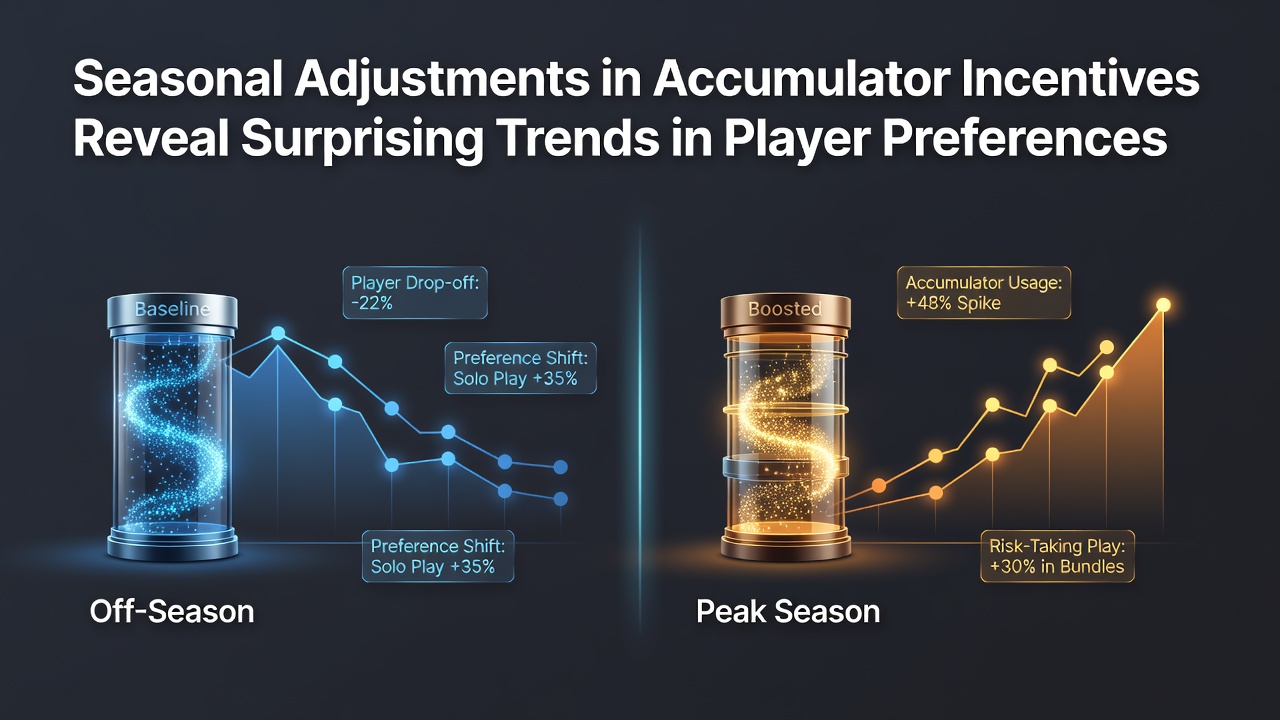
Accumulator Bonus Adjustments by Season Expose Shifts in Bettor Selections
Bookmakers worldwide adjust accumulator incentives throughout the year, and recent analyses show these changes align with distinct patterns in how players select their bets. Data collected from multiple markets indicate that promotions tied to football accumulators gain traction during autumn and winter months, while cricket and tennis-related offers see increased uptake in spring and summer. Observers note that such seasonal recalibrations often coincide with major tournaments and league schedules, which in turn influence the volume of multi-leg wagers placed by participants.
Regional Data Patterns Across Different Markets
Reports compiled by the Australian Gambling Research Centre highlight how accumulator bonuses in that region expand during the Australian Football League season, leading to measurable upticks in selections that combine multiple legs from domestic leagues. In contrast, figures from the Ontario Lottery and Gaming Corporation reveal steady growth in basketball accumulator activity during the winter period in North America, where operators introduce enhanced payout multipliers for four-leg or five-leg combinations. These adjustments occur because operators track participation metrics closely, and the resulting incentive structures reflect observed demand rather than arbitrary decisions.
Industry records further show that August 2026 brought forward adjustments in several European markets ahead of the new football campaign, with some platforms extending bonus eligibility to include early-season matches from lower divisions. Those who monitor these offerings note that players responded by favoring accumulators that mixed top-flight fixtures with selected underdog outcomes, a combination that differed from patterns recorded in previous pre-season windows.
Player Selection Trends and Incentive Structures
Studies conducted by academic teams at the University of Nevada, Las Vegas, examined how bonus structures affect the number of legs included in accumulator bets. Their findings indicate that when operators raise the minimum number of selections required for a bonus, participants tend to shorten their slips while maintaining overall stake levels. Conversely, when payout multipliers increase for longer accumulators, average leg counts rise, though the rate of completion for those longer slips remains lower than for shorter combinations.

What's notable is that these responses vary by sport and geography. In markets where rugby union holds strong seasonal interest, data from the New Zealand Gambling Commission show that accumulator incentives tied to Super Rugby produce higher engagement during the southern hemisphere winter. Yet the same operators record that cricket accumulator bonuses during the Indian Premier League attract a different demographic profile, with participants placing more single-sport accumulators rather than cross-sport combinations.
Operator Adjustments and Observed Outcomes
Operators respond to these patterns by refining their promotional calendars. When participation in certain accumulator types declines, incentives shift toward alternative sports or event types. For instance, during periods when football interest wanes, some platforms increase baseball accumulator bonuses in North American summer months, and records from the Nevada Gaming Control Board confirm corresponding rises in those specific wagers. The process involves continuous monitoring of placement data, which allows platforms to align offers with periods of higher activity.
Additional evidence from the Canadian Centre on Substance Use and Addiction points to correlations between seasonal bonus availability and the frequency of accumulator betting sessions. Participants in tracked cohorts showed increased session counts during months when enhanced multipliers applied, though total expenditure per session remained consistent with non-promotional periods. This suggests that the incentives influence the structure of bets rather than overall spending levels.
Conclusion
Seasonal modifications to accumulator incentives continue to produce measurable differences in how players construct their selections. Data from regulatory bodies and research institutions across multiple jurisdictions demonstrate that these adjustments respond to and shape participation patterns in predictable ways. As operators refine their approaches based on ongoing metrics, the resulting trends provide further insight into the relationship between promotional design and bettor behavior across different sports calendars.